{150} / Galesa - Filling the space with sound
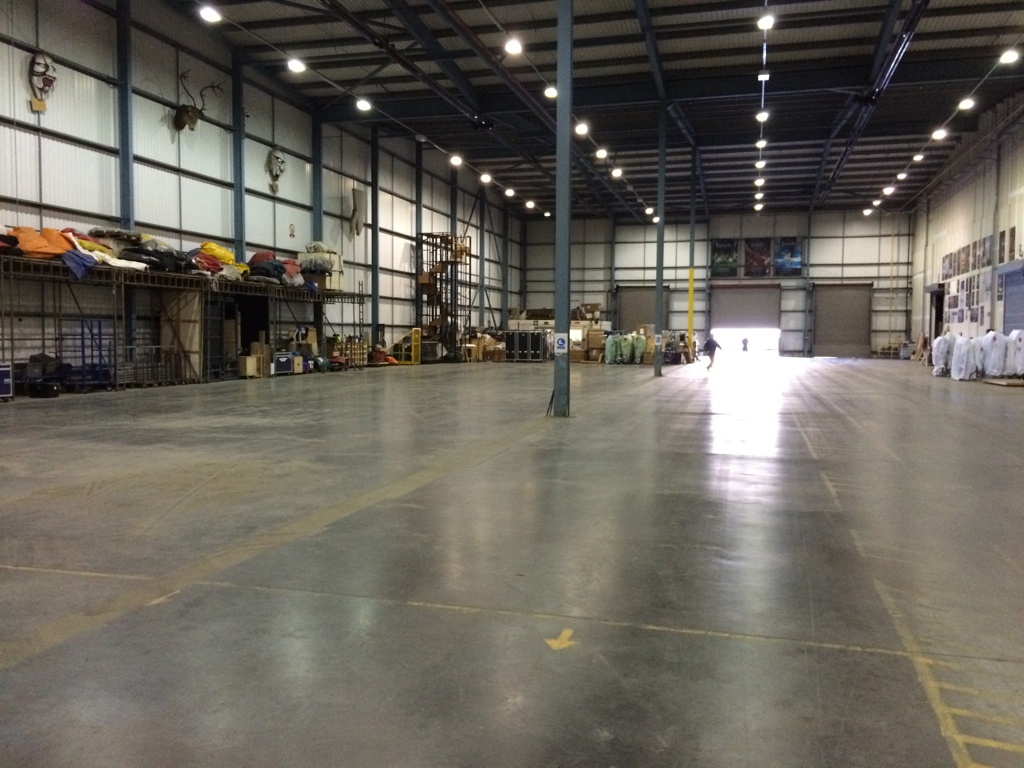
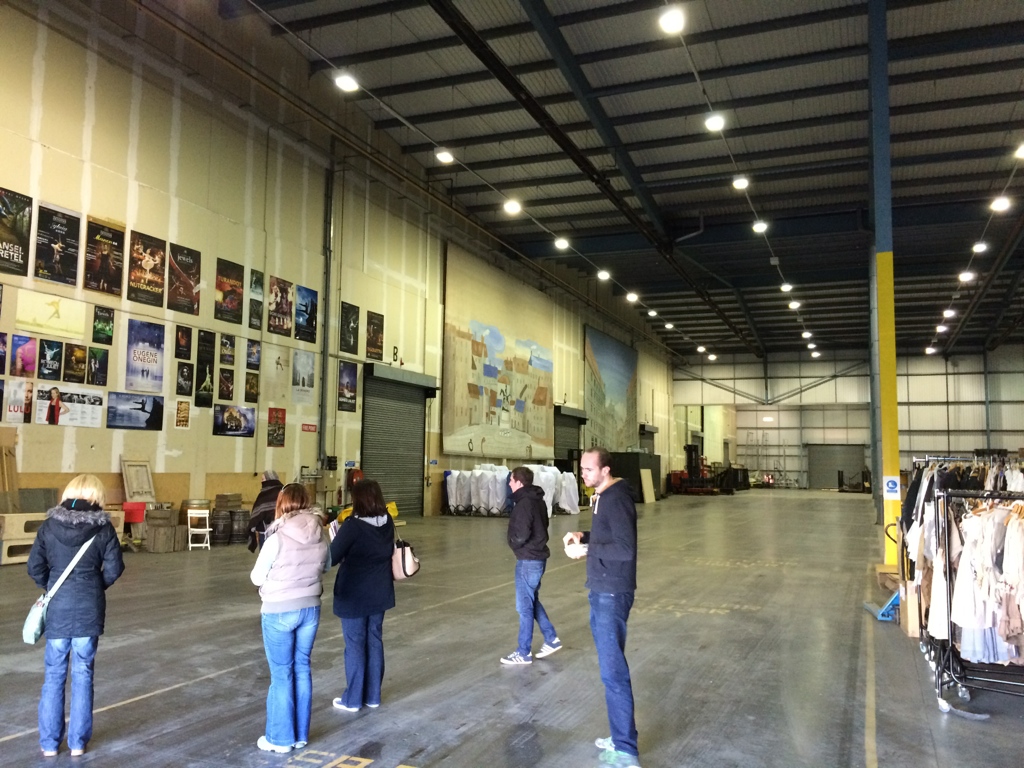
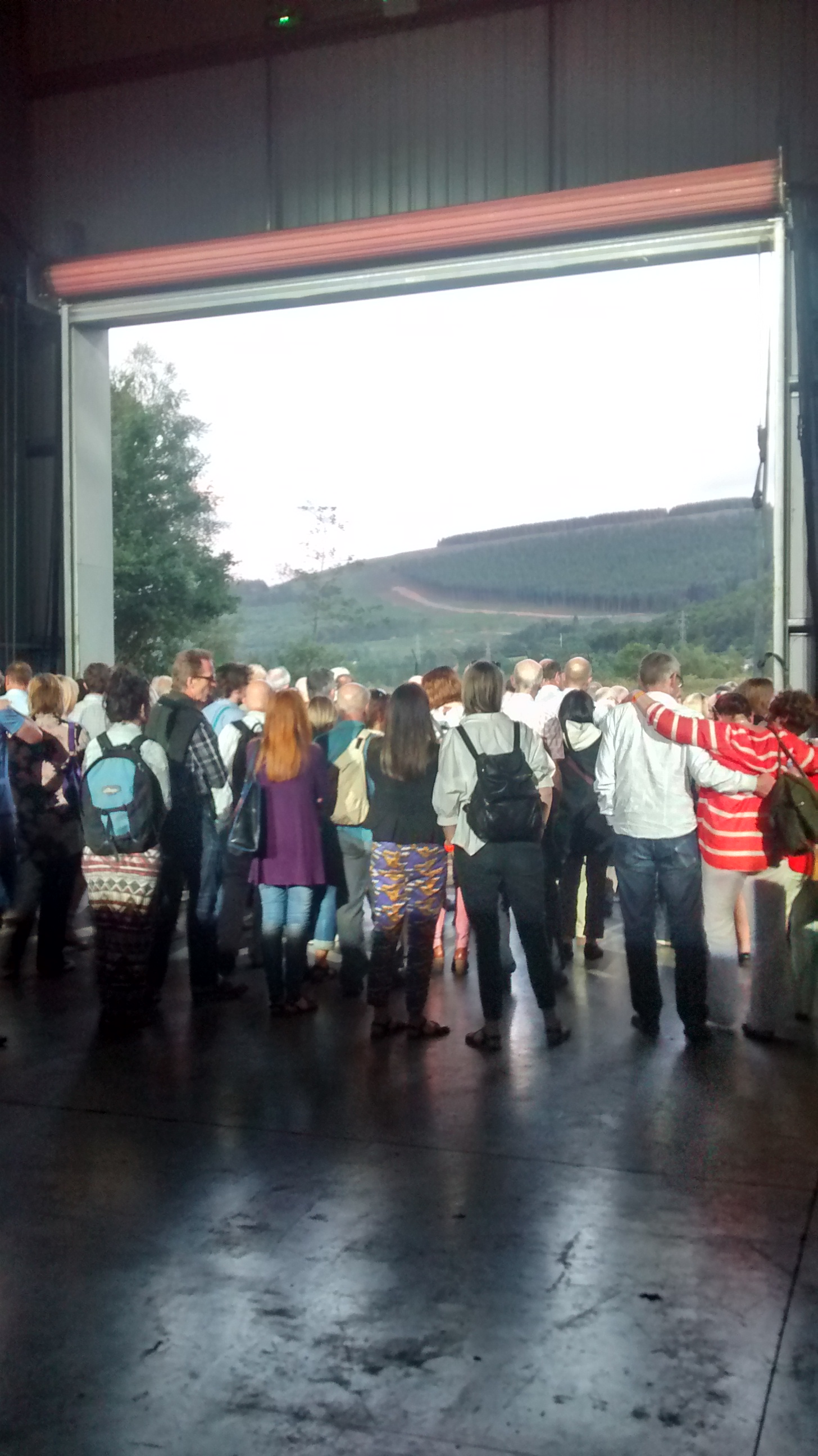
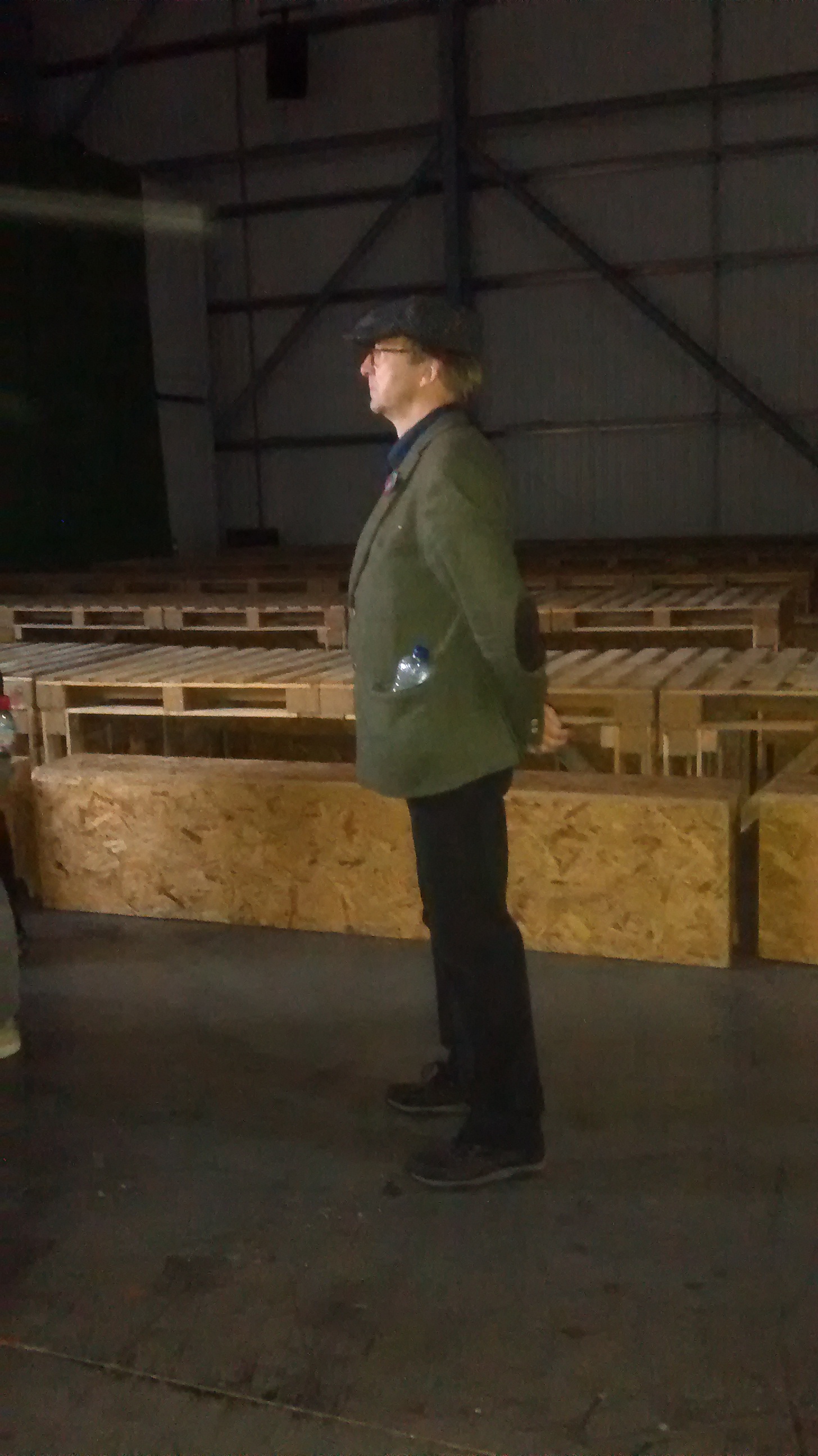
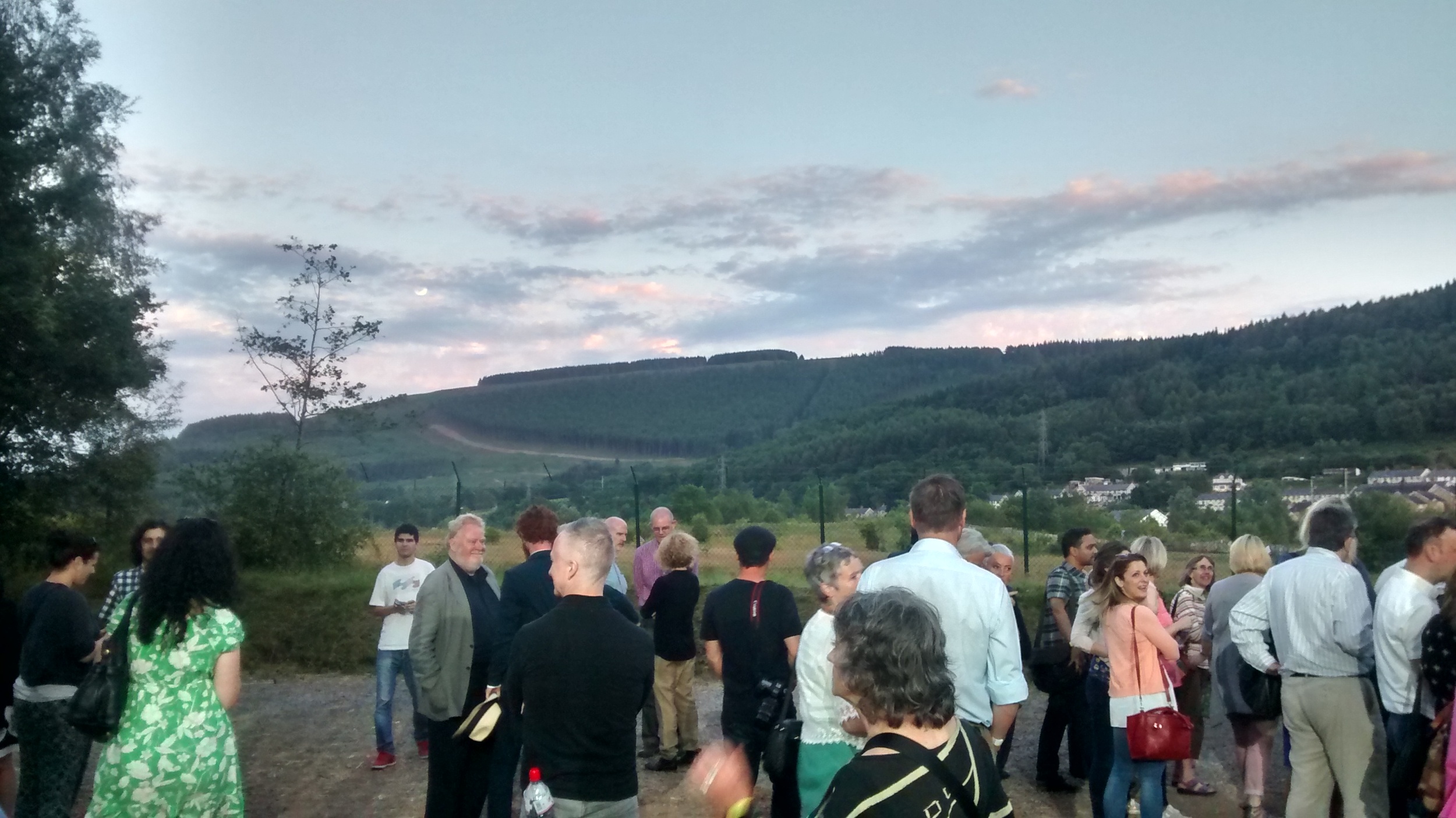
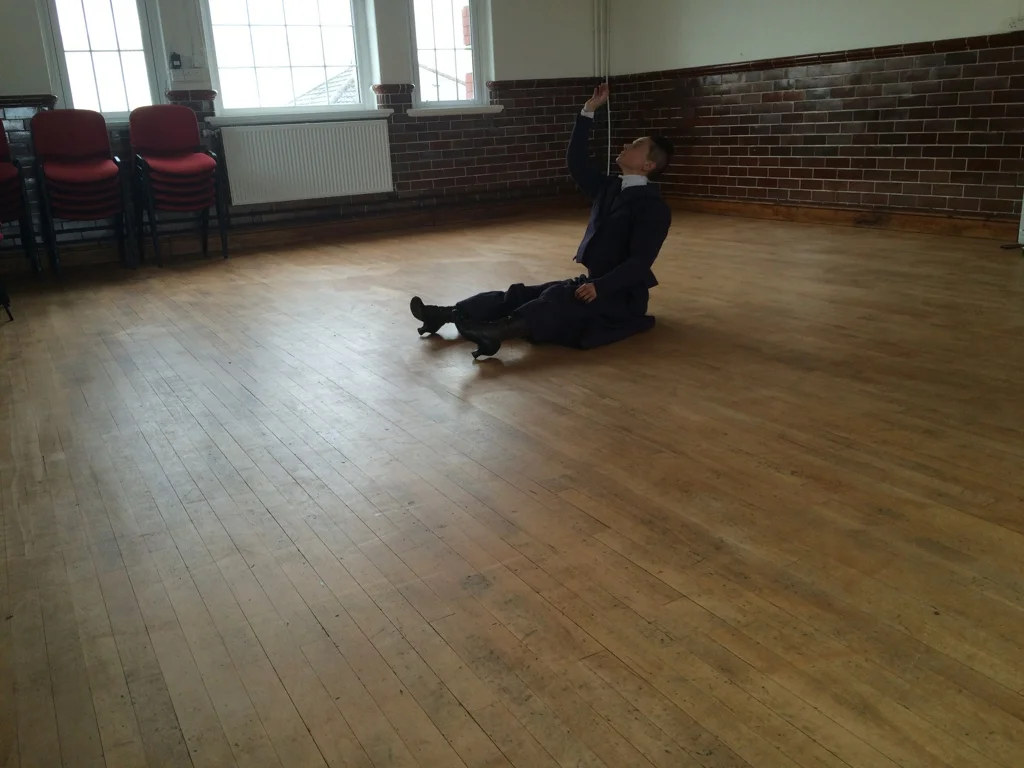
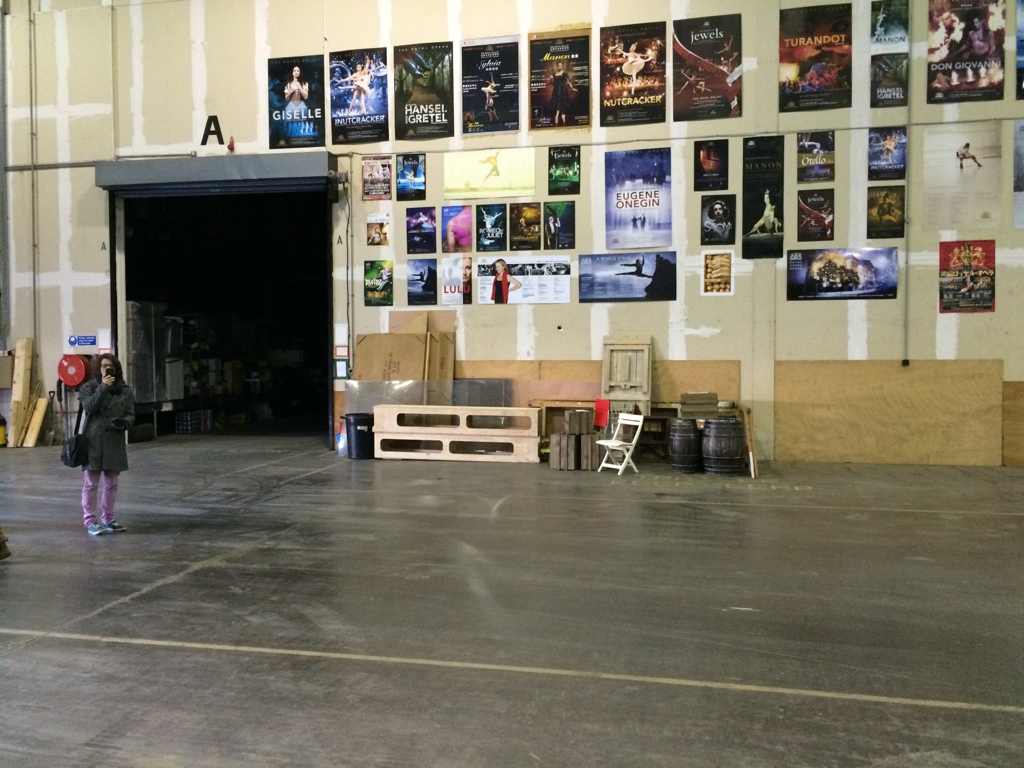
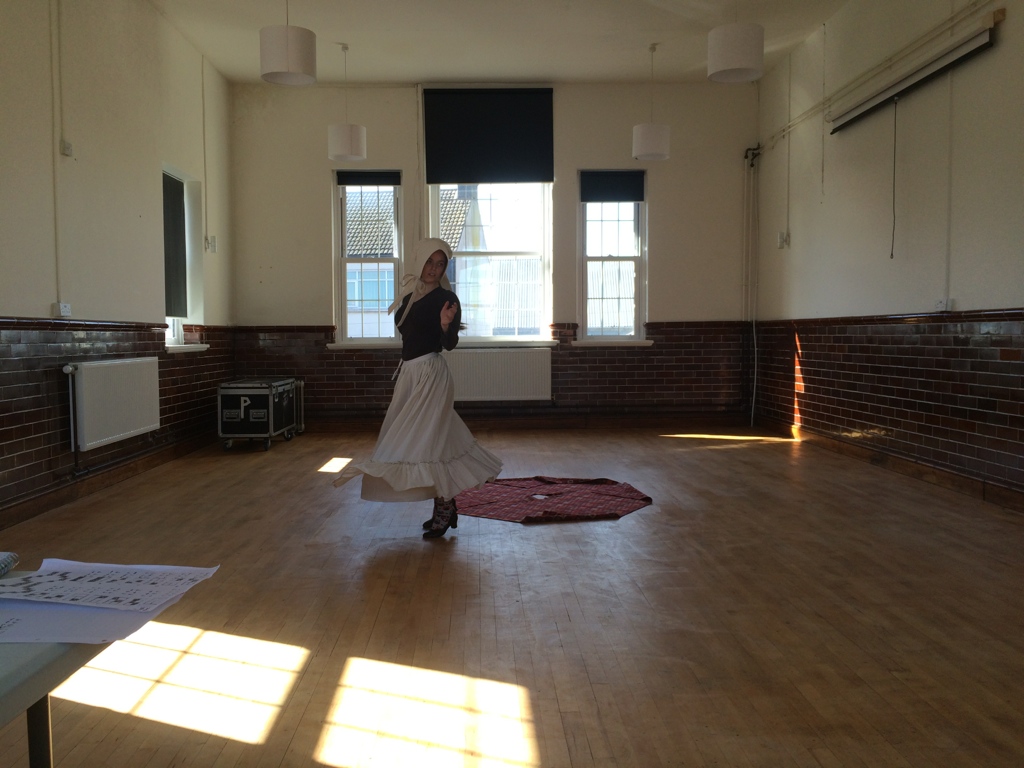
{150} was a promenade theatre piece staged in the Royal Opera House storage warehouse, which is located in Abercwmboi, South Wales. Directed by Marc Rees, this vast multimedia performance explored the journey and stories of the Welsh settlers who travelled to Patagonia in 1865 to create a Wales away from Wales, in the hope of preserving their language and culture. Reflecting the expansive Patagonian landscape as well as the magnitude of the difficulties presented by the land, the vast ROH warehouse became the perfect space to present theatre, dance, music, film and history on a grand scale. As a composer, there is curiosity in the challenge of creating pre-recorded sound and music for such a large and potentially acoustically unruly space.
The soundtrack featured sound sources that were intended to appear authentic to the audience: harmoniums, chugging tractors, the repeating sound of looms. Marc Rees and team twice went over to Patagonia, a journey of some 12,000km, during the development of production. It was here in a Patagonian chapel that Marc recorded some snippets of sound played on an old harmonium, sending these in situ to the JHM studio, for experimentation. This audio was subsequently cut into small sections, creating segments of sound which formed the basis of musical structures. These segments were sampled, time stretched and used in their original form to create dense and evolving textures. The sounds were then contextualised through the use of space; the soundscapes where placed into convolution reverbs (natural occurring acoustic spaces accurately captured as opposed synthetically created reverb) of chapels and vast outdoor spaces, enhancing the personification of the land itself. Some of the harmonium recordings where extensively manipulated, so that simple harmonium notes recorded on a handheld recorder could then be transformed into almost aggressive, juddering textures through a chain of effects processing. Closely miked violin was also included, producing grainy, harsh yet beautiful textures, as they performed compositions influenced by old Welsh hymns.
After this stage of processing was complete, other textures and soundscapes were created using similar compositional techniques: the layering of material derived from organic sources. Further harmonium textures were made, this time using close miking techniques in the studio. Much of the music for the production derived from the old Welsh hymn Crug y Bar, including live vocal arrangements made by John Hardy. Sustained notes centred around the hymn were also recorded to be used in further textural ideas. These notes were used to create thick drone textures, sounding not dissimilar to a cathedral organ. Central to the visual narrative of the production was the ‘Patagonian Brethin’: fabric with a specific pattern which appeared throughout the production on large screens and as a part of the dancer’s costumes. The Patagonian Brethin is a traditional Welsh style of tartan plaid, created by the Pembrokeshire wooden mill Melin Tregwynt specifically for use in the show. The sound of the loom producing this material therefore also played a central role. A percussive soundscape was created using the recorded loom clunks and whispering to accompany the dancers, their choreography being structurally based upon the pattern as well.
Alongside these lush textural soundscapes, we constructed a gradually building string texture, one which would feature throughout the performance, coming to a climactic finish at the end of the show. Reflecting the conceptual aspects of the show, John Hardy designed the piece to be 150 beats per minute with 150 bars of 5 beats. Composed by John, performed on violin by Benjamin Talbott and recorded, produced and arranged by Tic and John, the piece consisted of various notated segments which in combination, travel through interrelated rhythm and textural ideas as well as visiting various tonal centres. The production ends dramatically, the music traversing the audience to a final reveal of the beautiful South Walian valleys landscape, a lone dancer looking out into the distance.